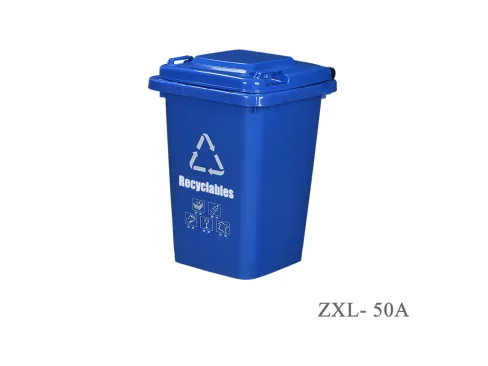
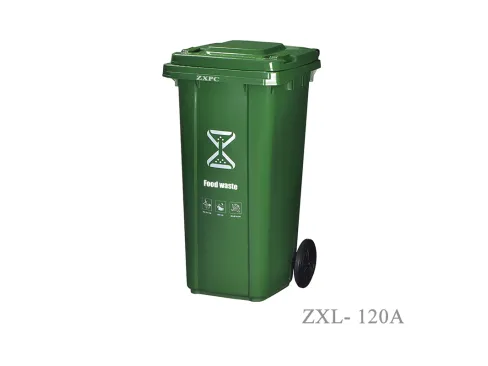
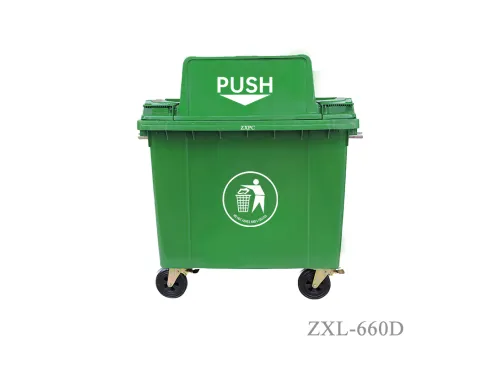
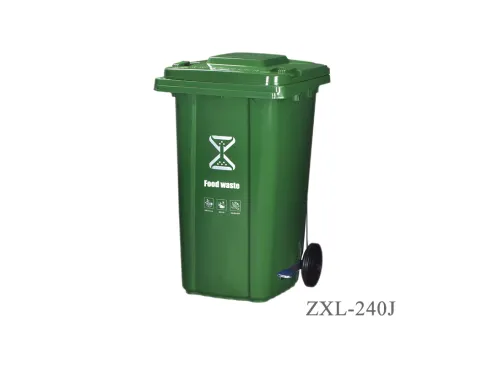
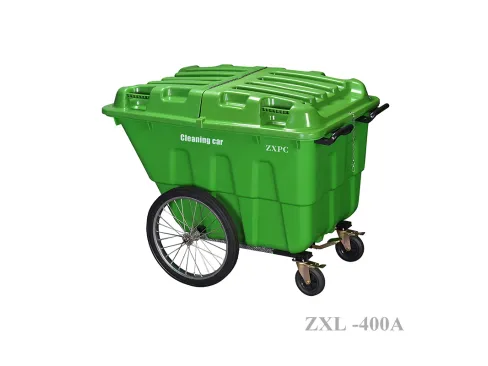
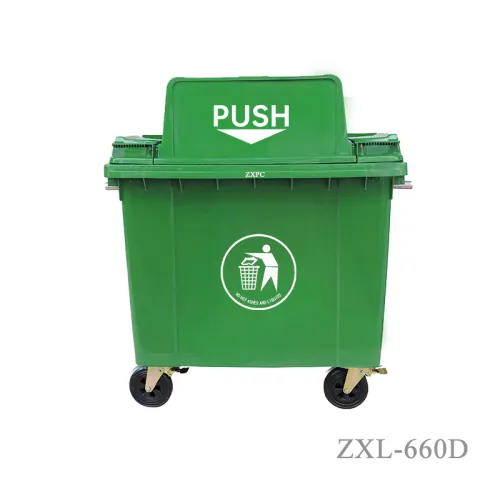
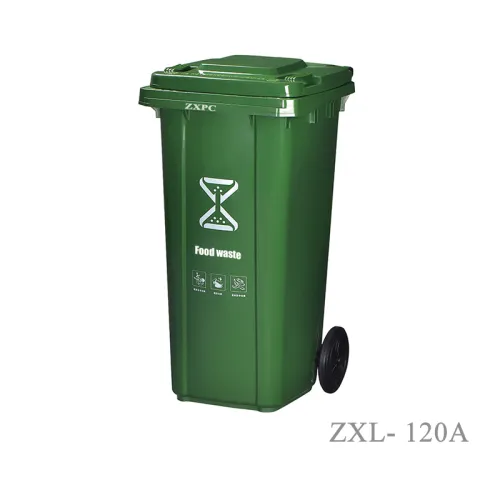
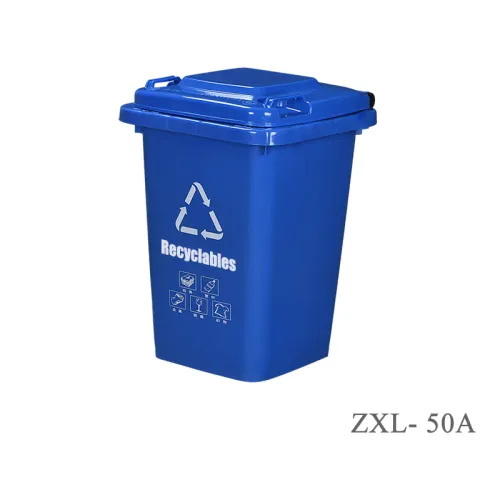
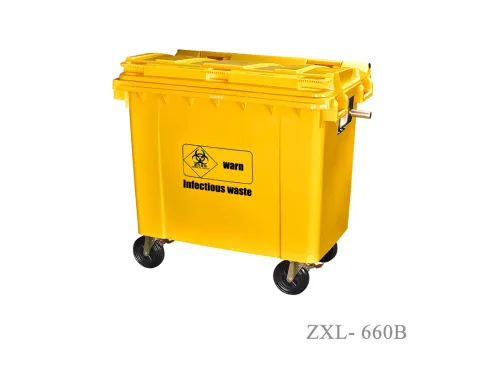
clinical waste wheelie bins are essential for safe and effective waste management in healthcare facilities. Proper segregation of clinical waste is crucial to prevent contamination and protect public health. Choosing the right color for these bins can improve waste disposal practices significantly. The World Health Organization states that approximately 85% of healthcare waste is non-hazardous, meaning that proper segregation could greatly reduce risks. It's also important to note that the Environmental Protection Agency recommends a multi-color system for waste segregation, which enhances compliance and efficiency in healthcare settings.
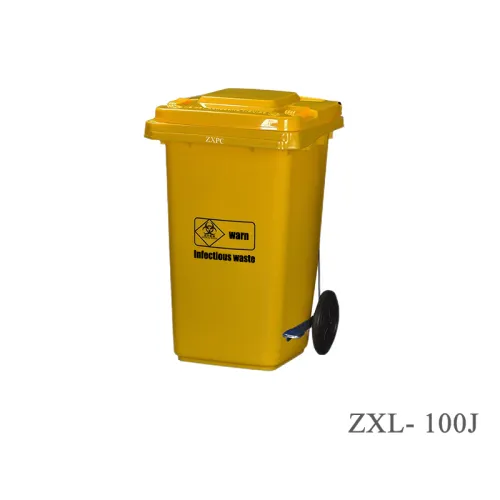
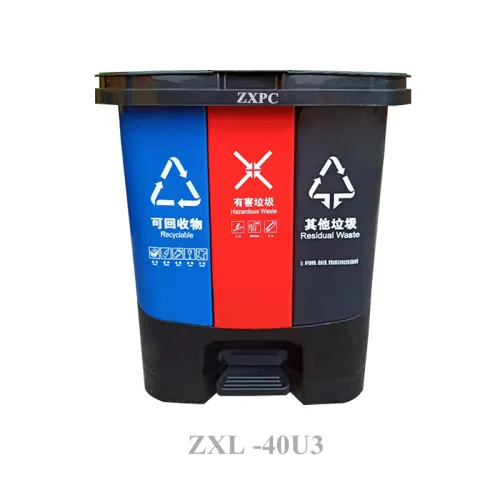
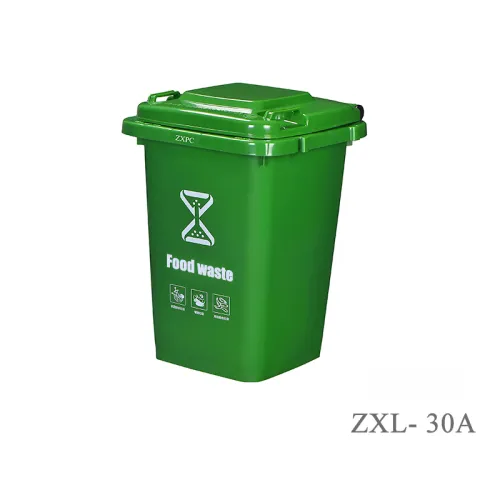
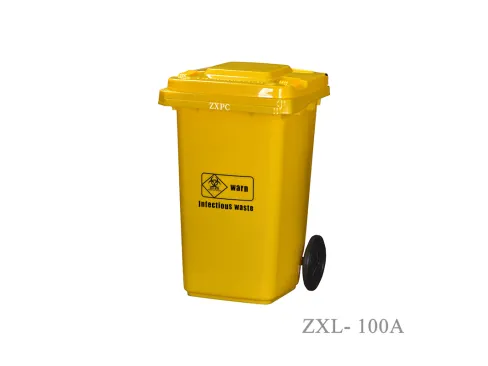
The common clinical waste wheelie bin color options for segregation include yellow for infectious waste, black for general waste, blue for pharmaceutical waste, and red for hazardous waste. Choosing the correct color enhances safety and compliance.
Color-coding bins makes it easy for staff to identify the type of waste being disposed of. Studies show that hospitals with color-coded systems have reduced waste mismanagement by as much as 30%.
These bins are designated for infectious waste, which poses a risk of infection. Guidelines recommend that this waste is treated before disposal.
Black bins are for general waste that does not pose a health hazard. This includes packaging materials and food waste.
These bins are for pharmaceutical waste. Hospitals dispose of expired or unused medicines to prevent environmental contamination.
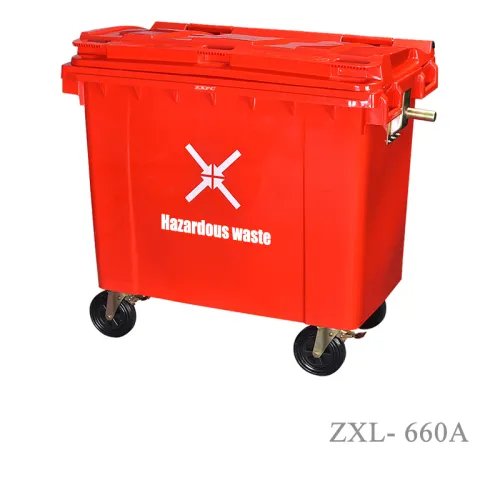
Red bins are intended for hazardous materials that can cause harm. Items like sharps and other dangerous waste go in these bins.
According to the Occupational Safety and Health Administration, healthcare facilities must adhere to stringent regulations regarding waste segregation. Non-compliance can lead to fines and increased health risks.
ISO 14001 provides guidelines for waste management systems that help organizations minimize their environmental footprint and manage waste effectively.
Proper segregation reduces the risk of exposure to harmful materials. Facilities that segregate waste correctly significantly lower incident rates of needle-stick injuries.
Managing waste costs less when segregation is effective. Waste treatment and disposal companies charge lower rates for properly sorted waste.
In conclusion, clinical waste wheelie bins play a vital role in the segregation of waste in healthcare settings. The use of different color options enhances safety, facilitates compliance, and improves waste management outcomes. By implementing these color codes effectively, healthcare facilities can protect both their staff and the environment.